

The
Herb Library
The calm you've been looking for starts here.
Every herb in our formulas is explained. Explore the botanical tradition, clinical actions, and targeted benefits behind each plant we have carefully chosen.
Each one chosen for potency and traditional use verified by modern research.
Teas and liquid extracts focused on nervous system wellness, each with immune, digestive, and cardiovascular support.
Designated as “Generally Regarded as Safe” by the FDA when taken appropriately.
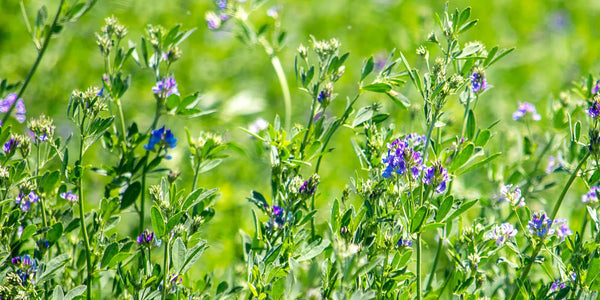
Medicago sativa
Alfalfa Leaves
Called the father of all plants in Arabic, alfalfa has been used as a nutritive herb in Persian and Chinese medicine for over 1,500 years, valued for its exceptional nutrient density.
- Nutriti ve
- Phytoestrogenic
- Cardiovascular Tonic
- Mineralizing
- Alkalizing
- Rich in phytoestrogens, vitamins, and minerals
- Supports comfort during hot flashes and night sweats with consistent use
- Supports healthy cholesterol levels and cardiovascular health during hormonal transition
- Provides broad nutritional support during the perimenopausal transition
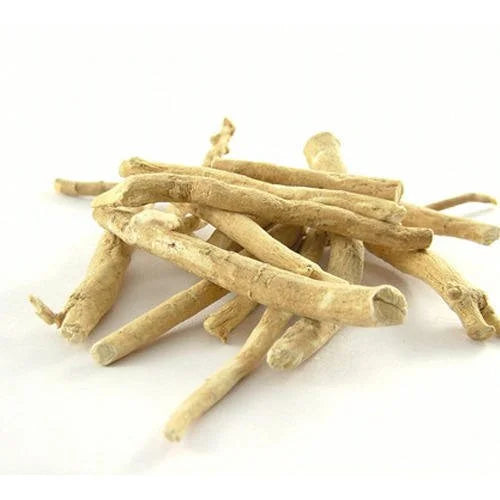
Withania somnifera
Ashwagandha Root
Used in Ayurvedic medicine for over 3,000 years as an herb of restoration and longevity. Its benefits deepen with consistent daily use.
- Adaptogen
- HPA Axis Restorative
- Immunomodulator
- Neuroprotective
- Anti-inflammatory
- Thyroid Supportive
- Helps restore adrenal resilience depleted by prolonged or chronic stress
- Supports deep, restorative slow-wave sleep quality overnight
- Nourishes thyroid health and hormonal balance during life transitions
- Encourages a healthy inflammatory response throughout the body
- Supports healthy immune function when stress is quietly depleting defenses
- Promotes cognitive clarity and mental sharpness during periods of hormonal change
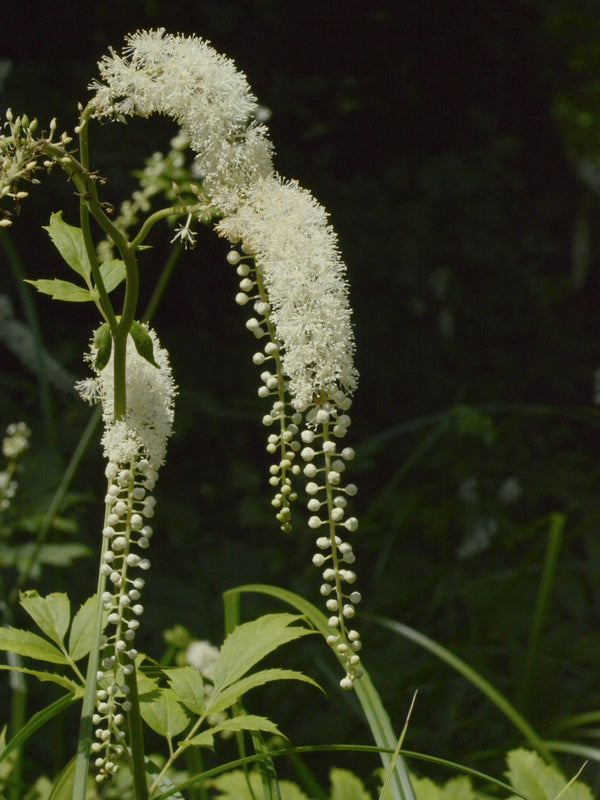
Actaea racemosa
Black Cohosh Root
Widely used by Native American peoples for women's health for centuries before entering the North American medical mainstream in the 19th century. Among the most researched herbs for perimenopausal support.
- Phytoestrogenic / Serotonergic
- Anti-inflammatory
- Nervine
- Antispasmodic
- Uterine Tonic
- Analgesic
- Supports comfort during hot flashes and night sweats
- Supports nervous system balance during hormonal transition
- Eases musculoskeletal discomfort associated with hormonal changes
- Promotes mood stability and eases irritability driven by hormonal fluctuation
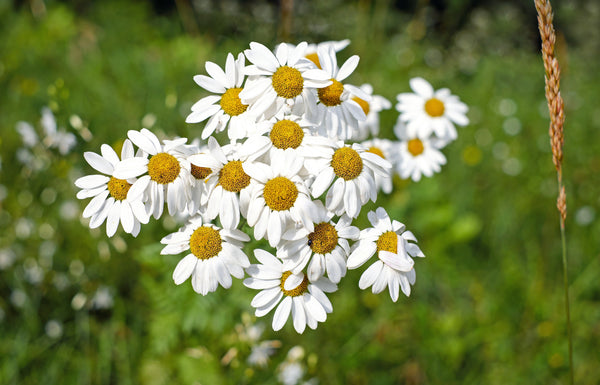
Matricaria recutita
Chamomile Flowers
One of the oldest medicinal herbs in human history, chamomile has been used for millennia across European, Egyptian, and Roman traditions as a universal calming and digestive remedy.
- Relaxing Nervine
- Antispasmodic
- Anti-inflammatory
- Carminative
- Bitter Tonic
- Releases muscle tension held in the body long after the stressor has passed
- Eases digestive cramping, bloating, and the gut tension that stress produces
- Supports a healthy inflammatory response under chronic stress
- Supports a calm, settled state that makes rest more accessible
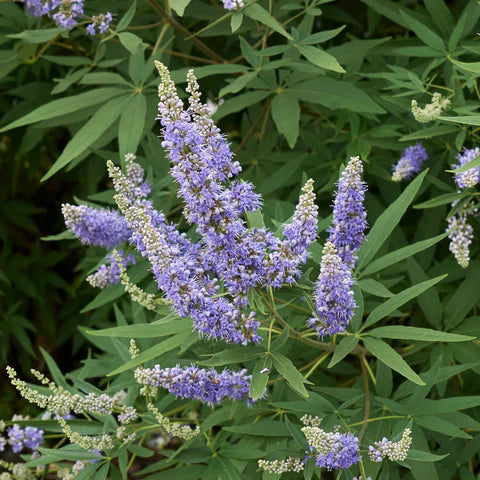
Vitex agnus-castus
Chaste Tree Berry (Vitex)
Used medicinally since ancient Greece and documented by Hippocrates, Dioscorides, and Theophrastus. Vitex has been a primary women's herb in European herbal medicine for over 2,500 years.
- Hormonal Supportive
- Progesterone-Supportive
- Pituitary Tonic
- Nervine
- Cycle-Regulating
- Uterine Tonic
- Supports healthy hormonal balance, particularly progesterone relative to estrogen
- Acts on the pituitary to support cycle regulation and hormonal transition
- Supports uterine comfort and healthy menstrual function during transition
- Addresses the hormonal patterns underlying mood instability, irregular cycles, and sleep disruption
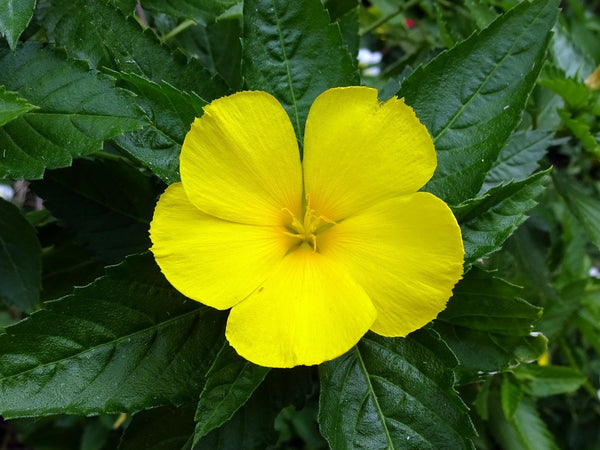
Turnera diffusa
Damiana Leaves
Damiana has been used as a tonic and mood-supportive herb by indigenous peoples of Mexico and Central America for centuries. It entered the North American materia medica as a nerve tonic and hormonal supportive in the 19th century.
- Nervine Tonic
- Mood-Supportive
- Antidepressant
- Adaptogenic
- Aphrodisiac
- Digestive Tonic
- Hormonal Balancer
- Circulatory Stimulant
- Gently uplifts mood and restores emotional resilience
- Especially helpful for nervous exhaustion layered with low mood and depleted vitality
- Supports vitality and healthy energy that stress and hormonal disruption can deplete
- Supports healthy reproductive hormone balance during periods of chronic stress and burnout
- Eases digestive discomfort and supports the gut-nervous system communication that mood depends on
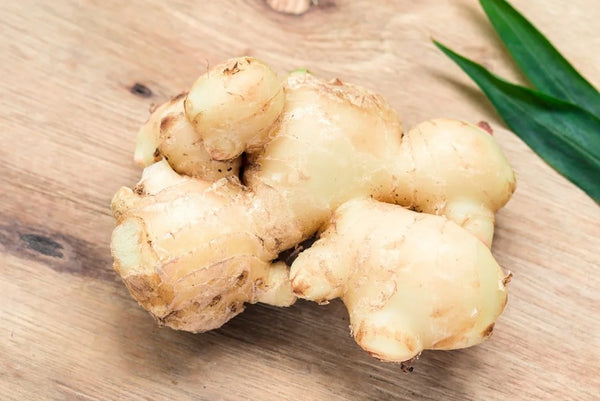
Zingiber officinale
Ginger Root
One of the most widely used medicinal plants in human history, ginger appears in medical texts from India, China, the Middle East, and Europe, always associated with warmth, circulation, and digestive health.
- Circulatory Stimulant
- Anti-inflammatory
- Anti-microbial
- Analgesic
- Carminative
- Diaphoretic
- Warming Nervine
- Supports healthy circulation throughout the body, delivering nutrients depleted tissues need
- Eases digestive discomfort, including nausea, bloating, and sluggish digestion
- Supports immune resilience with broad-spectrum antimicrobial and antioxidant properties
- Encourages a healthy inflammatory response with broad anti-inflammatory action
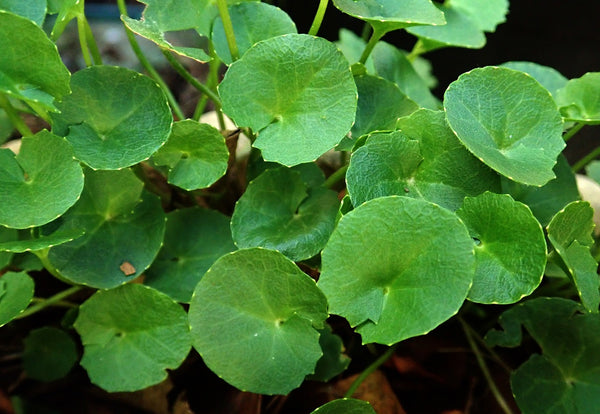
Centella asiatica
Gotu Kola Leaves
Revered in Ayurvedic medicine as a brahmi herb for centuries, gotu kola is associated with longevity, cognitive vitality, and nervous system health. Traditional Chinese medicine uses it similarly for the mind and circulation.
- Adaptogenic Nervine
- Neuroprotective
- Cerebral Circulatory Stimulant
- Anti-inflammatory
- Cognitive Restorative
- Promotes healthy blood flow to the brain for sharper mental clarity
- Supports healthy brain cell function and cognitive vitality
- Encourages a healthy inflammatory response at systemic and neurological levels
- Promotes healthy circulation throughout the entire vascular system
- Supports cognitive restoration alongside nervous system nourishment
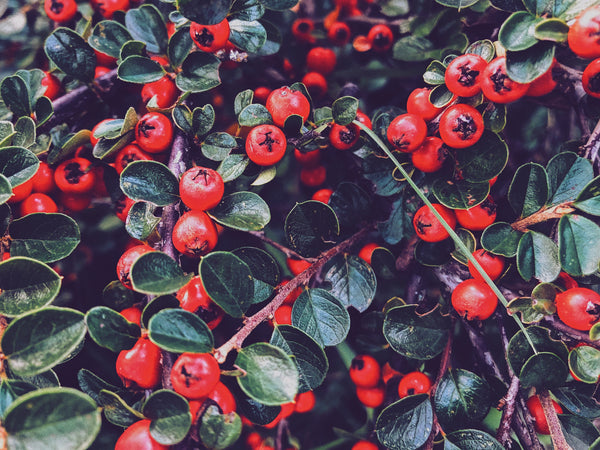
Crataegus spp.
Hawthorn Flowers and Leaves
A revered heart herb across European herbal traditions for centuries. Hawthorn holds a sacred place in Celtic traditions and has been used clinically in European phytotherapy for cardiovascular support for over 100 years.
- Cardiotonic
- Nervine
- Antioxidant
- Anti-inflammatory
- Anxiolytic
- Astringent
- Supports healthy cell function against the cumulative effects of chronic stress
- Especially supportive during hormonal transitions that affect cardiovascular comfort
- Supports the heart on both emotional and physiological levels
- Daily use builds genuine cardiovascular resilience over time
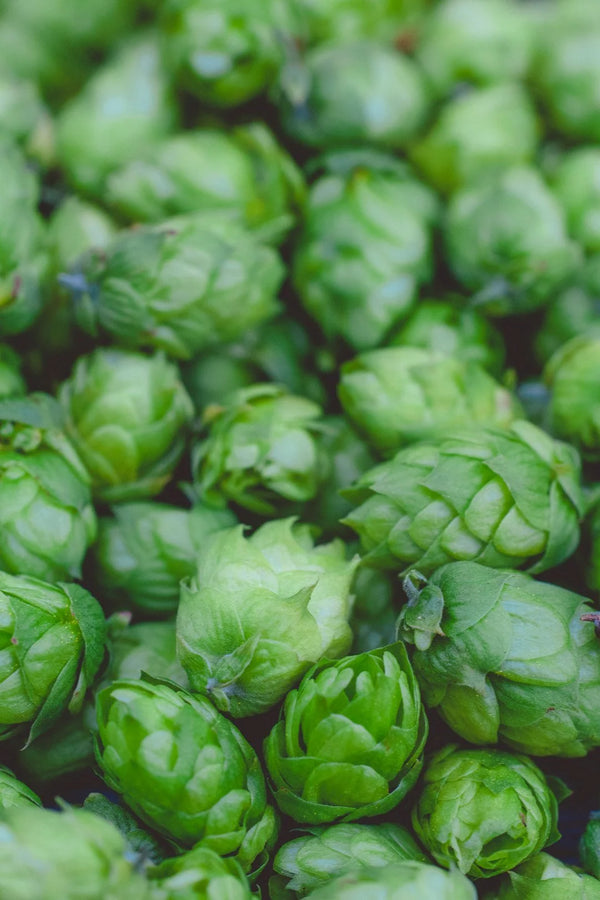
Humulus lupulus
Hops Strobiles
While best known for brewing beer, hops have been used as a sleep and nervous system herb in European folk medicine for centuries. Its sedative properties were formally recognized in 19th-century pharmacopoeias.
- Sedative-Hypnotic
- Nervine
- Antispasmodic
- Bitter Tonic
- Phytoestrogenic
- Anodyne
- Supports sleep maintenance and helps reduce the pattern of nighttime waking
- Supports healthy cortisol balance during the night, which may help reduce early morning waking
- Mild phytoestrogenic activity addresses hormonally driven sleep disruption
- Releases physical tension and eases restlessness after the mind quiets
- Benefits deepen with consistent nightly use
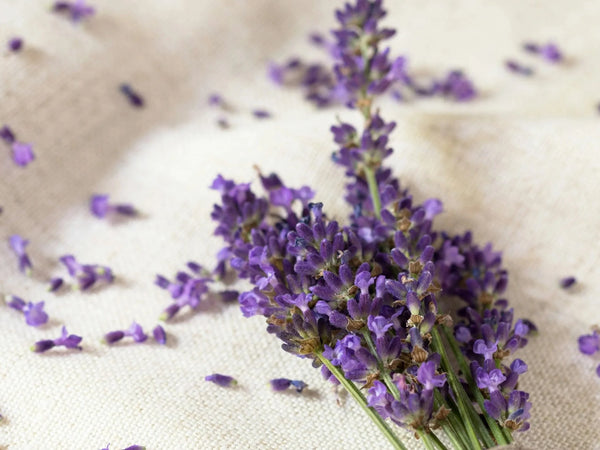
Lavandula angustifolia
Lavender Flowers
Lavender is one of the most beloved aromatic herbs in Mediterranean tradition, used for relaxation and rest since ancient Roman times, and it remains one of the most studied aromatic nervines.
- Nervine
- Sedative
- Antibacterial
- Anti-microbial
- Anti-viral
- Antispasmodic
- Analgesic
- Carminative
- Anxiolytic
- Aromatic
- Deepens the calming effect through dual aromatic and internal pathways
- Releases muscle tension and eases headaches and muscle tension that linger from day into night
- Supports a calm, settled emotional state at bedtime
- Eases digestive tension and cramping that surface when the body finally slows down
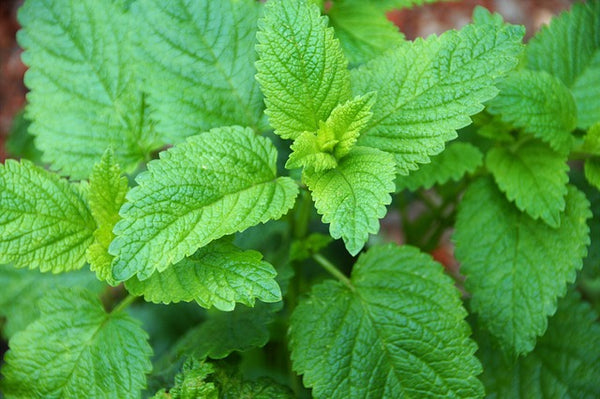
Melissa officinalis
Lemon Balm
A beloved garden herb in the mint family, used in European and Western herbal medicine for centuries, especially for calming the heart, the mind, and supporting gentle emotional restoration. Present in all eight Eden's Leaves formulas.
- Nervine
- Carminative
- Antiviral
- Cognitive-Supporting
- Cardiotonic
- Aromatic
- Sedative
- Eases digestive discomfort, including bloating, cramping, and gut nervousness caused by stress
- Supports cardiovascular comfort and relieves the tension that anxiety can cause
- Provides antiviral immune support when stress challenges the body's defenses
- Especially helpful during periods of grief, sadness, and emotional overwhelm
- Gently encourages sleep without next-day heaviness or grogginess
- Calms perimenopause-related anxiety, irritability, and emotional distress
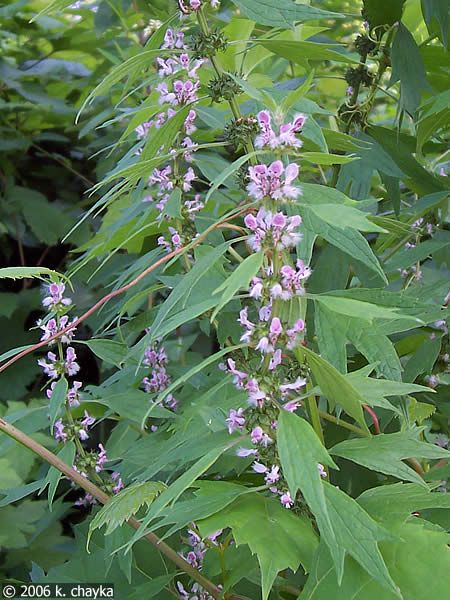
Leonurus cardiaca
Motherwort
The name motherwort reflects its long use as a women's herb in European folk medicine. It has been used for uterine and heart complaints across Chinese, European, and North American herbal traditions for centuries.
- Heart Tonic
- Nervine
- Uterine Tonic
- Antispasmodic
- Bitter Tonic
- Cardiotonic
- Anxiolytic
- A primary herb for the heart during perimenopause, both physiologically and emotionally
- Eases heart palpitations, chest tightness, and cardiac anxiety during perimenopause
- Promotes uterine comfort during irregular, heavy, and cramping perimenopausal cycles
- Calms acute emotional volatility and overwhelm triggered by sudden hormonal shifts
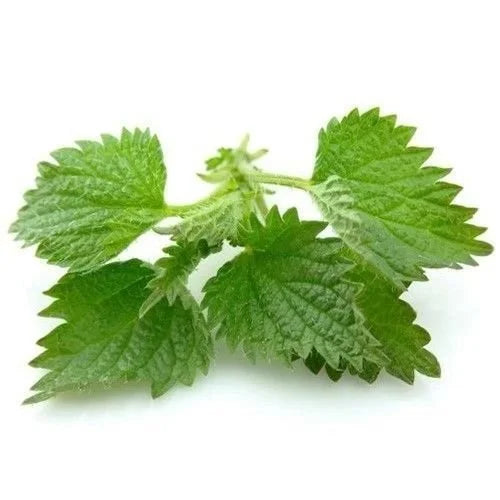
Urtica dioica
Nettle Leaves
Among the most nutritionally dense of all medicinal herbs. Nettle has been used as a food and medicine across Europe and Asia for thousands of years, valued for its exceptional mineral content and restorative properties.
- Nutritive
- Adrenal Supportive
- Anti-inflammatory
- Diuretic
- Mineral-Rich
- Alterative
- Supports adrenal function and healthy cortisol balance during hormonal transition
- Supports energy and vitality through deep nutritional nourishment
- Supports a healthy inflammatory response during perimenopausal hormonal shifts
- Supports healthy menstrual comfort during the irregular cycles of perimenopausal transition
- Supports hair thickness and skin integrity as hormonal changes affect these tissues
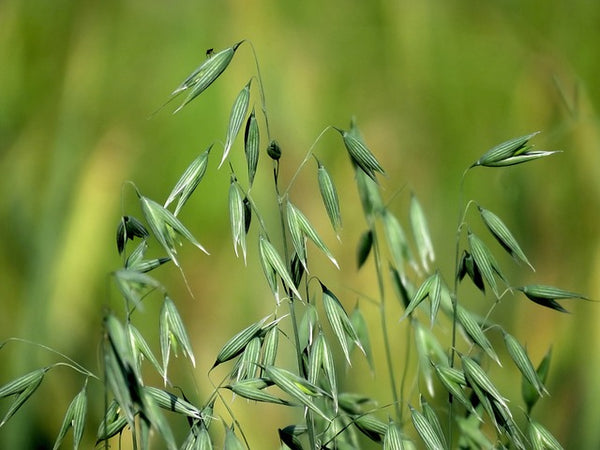
Avena sativa
Oat Tops (Fresh Milky)
A cornerstone of the Western herbal tradition, milky oats have been used for centuries as a restorative nerve tonic. The fresh milky stage is the only form with full trophorestorative activity.
- Trophorestorative
- Nutritive Nervine
- Adaptogen
- Neuroprotective
- Cardiovascular Tonic
- Demulcent
- Helps restore nervous system tissue depleted by prolonged stress
- Deeply nourishes a depleted nervous system for lasting resilience
- Promotes healthy cardiovascular function through gentle toning action
- Supports deeper overnight restoration alongside other sleep herbs
- Supports long-term nervous system resilience with consistent use
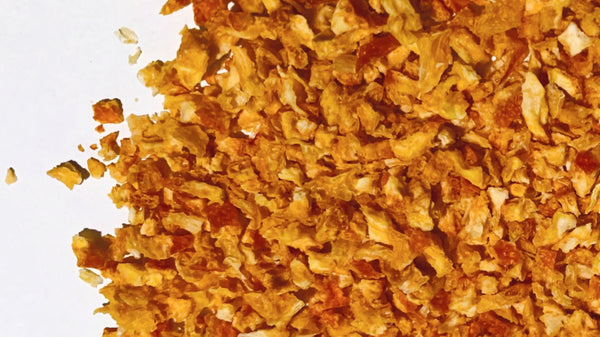
Citrus sinensis
Orange Peel
Used in traditional Chinese medicine as a qi-moving digestive herb, and in European folk medicine for its aromatic nervine and bitter tonic properties. The peel is more medicinally potent than the fruit itself.
- Nervine
- Carminative
- Bitter Tonic
- Circulatory Stimulant
- Antioxidant
- Aromatic
- Tones the nervous system with its bitter action, gently stimulating without the crash of caffeine
- Supports healthy digestion and relieves bloating and sluggishness
- Contributes bioflavonoids and vitamin C that support immune resilience and circulatory health
- Supports mood through aromatic brightness that the nervous system recognizes before the first sip
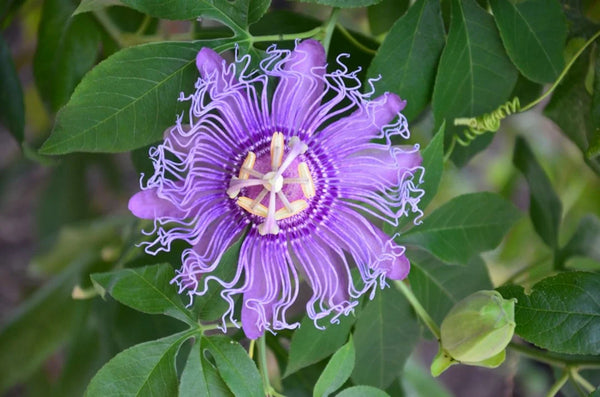
Passiflora incarnata
Passionflower Leaves
Native to the Americas and long used by Indigenous peoples as a calming and sleep-supporting herb, passionflower entered European herbal medicine in the 17th century. One of the most effective herbs for the tired but wired pattern.
- Nervine
- Antispasmodic
- Anxiolytic
- Sedative
- Anti-inflammatory
- Supports the body's natural calming pathways that stress and anxiety can disrupt
- Releases physical muscle tension the body holds as a direct expression of sustained stress
- Calms racing thoughts and mental loops that keep the nervous system activated
- Supports a healthy inflammatory response in the nervous system
- Soothes digestive cramping and gut tension that stress settles into the body
- Especially helpful for burnout states, where the nervous system has lost its ability to self-regulate
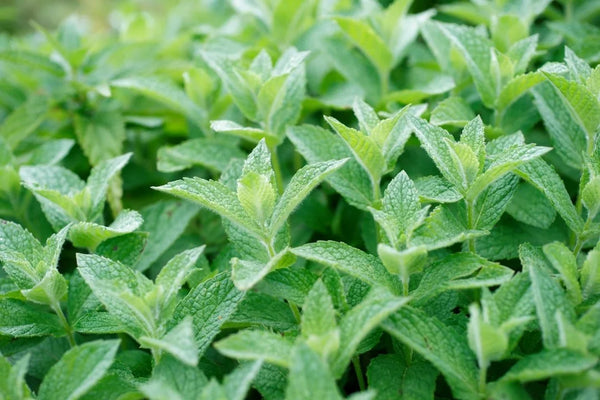
Mentha x piperita
Peppermint Leaves
A hybrid of watermint and spearmint, peppermint has been used medicinally since ancient times. It appears in records from ancient Egypt, Greece, and Rome as a remedy for headaches, digestion issues, and cooling inflammation.
- Carminative
- Analgesic
- Antimicrobial
- Anti-inflammatory
- Circulatory Stimulant
- Aromatic
- Supports healthy digestion and eases the gas, bloating, and cramping that stress triggers
- Eases nausea, particularly when stress or anxiety is the trigger
- Promotes alertness and mental clarity without the jitteriness or crash of caffeine
- Promotes healthy cerebral circulation and blood flow for sharper cognitive function
- Provides gentle support for tension held in the head, neck, and gut
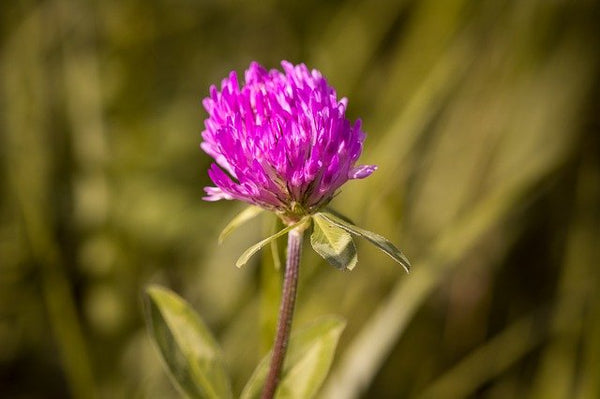
Trifolium pratense
Red Clover Blossoms
Used as a nutritive and alterative herb in European and American folk medicine for centuries. Red clover's phytoestrogenic properties were recognized in traditional herbalism long before the discovery of isoflavones.
- Phytoestrogenic
- Lymphatic
- Anti-inflammatory
- Cardiovascular Tonic
- Bone-Supportive
- Alterative
- Provides phytoestrogenic support for perimenopausal symptoms, including hot flashes and night sweats with consistent use
- Supports cardiovascular health during hormonal transition
- Supports healthy bone density during perimenopause
- Supports skin health, healthy detoxification, and lymphatic function
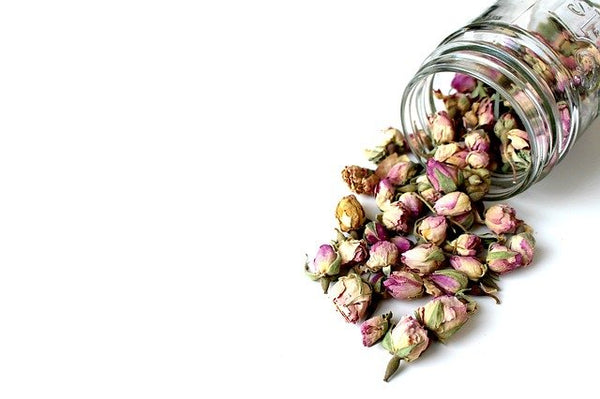
Rosa spp.
Rose Petals
Rose has been associated with the heart, love, and grief across nearly every herbal tradition in the world, from Persian medicine to Ayurveda to indigenous American herbalism. Its role in emotional healing is one of the oldest in recorded botanical medicine.
- Nervine
- Astringent
- Anti-inflammatory
- Cardiotonic
- Antioxidant
- Aromatic
- Lifts mood and eases emotional heaviness during grief, loss, or sustained sadness
- Soothes the nervous system with a softness that complements more assertive nervines
- Supports a healthy inflammatory response and provides antioxidant protection
- Contributes a delicate floral note that enhances the sensory ritual of brewing

Rosa canina
Rose Hips
Rose hips were consumed as a nutritive and immune-supporting food long before vitamin C was isolated. During World War II, Britain gathered rose hips to supplement vitamin C as citrus imports were restricted.
- Antioxidant
- Anti-inflammatory
- Immune-Supporting
- Nutritive
- Circulatory Tonic
- Exceptionally rich in vitamin C and one of the most concentrated plant sources available
- Supports immune resilience during periods of sustained stress and provides antioxidant protection
- Supports healthy circulation and cardiovascular health with bioflavonoid and vitamin E content
- A naturally occurring source of vitamins and minerals for foundational nutritive restoration
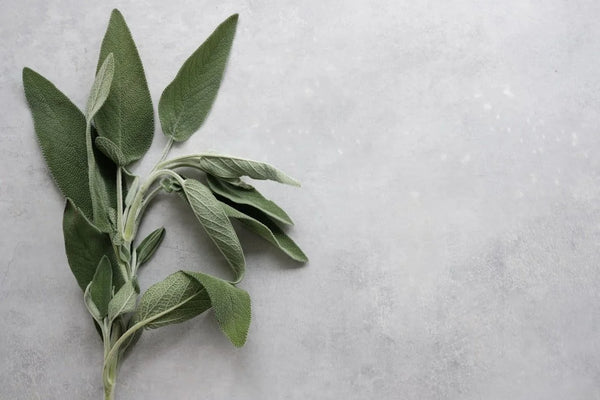
Salvia officinalis
Sage Leaf
Revered since ancient times, the genus name Salvia derives from the Latin salvare, meaning 'to save.' European herbalists regarded it as a longevity herb, and its use for menopausal hot flashes is recorded in traditional texts dating back centuries.
- Antidiaphoretic
- Neuroprotective
- Anti-inflammatory
- Antioxidant
- Carminative
- Astringent
- Cognitive-Supporting
- Well-known for its ability to reduce hot flashes and night sweats through its antidiaphoretic action
- Promotes memory, focus, and cognitive clarity during the perimenopausal transition
- Helps the body manage oxidative stress that hormonal fluctuations may accelerate
- Eases digestive discomfort, bloating, and gas during periods of hormonal change
- Supports a reduction in hot flash frequency with consistent use
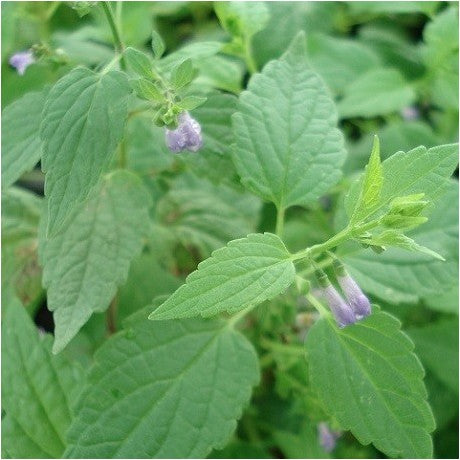
Scutellaria lateriflora
Skullcap
A North American native plant long used by Indigenous peoples and later adopted into Eclectic medical practice in the 19th century as a primary nerve tonic and restorative. One of the most respected nervous system restoratives in the Western herbal tradition.
- Relaxing Nervine
- Anodyne
- Antispasmodic
- Neuroprotective
- Sedative
- Nerve Tonic
- Calms nervous system overstimulation to help fall asleep and supports nervous system restoration during sleep
- Especially effective for the tired but wired pattern: an exhausted body paired with an activated mind
- Relieves muscle tension and eases tension headaches that persist into the evening
- Aids nervous system repair during sleep through active restorative actions
- Protects nervous system tissue against the cumulative effects of chronic stress
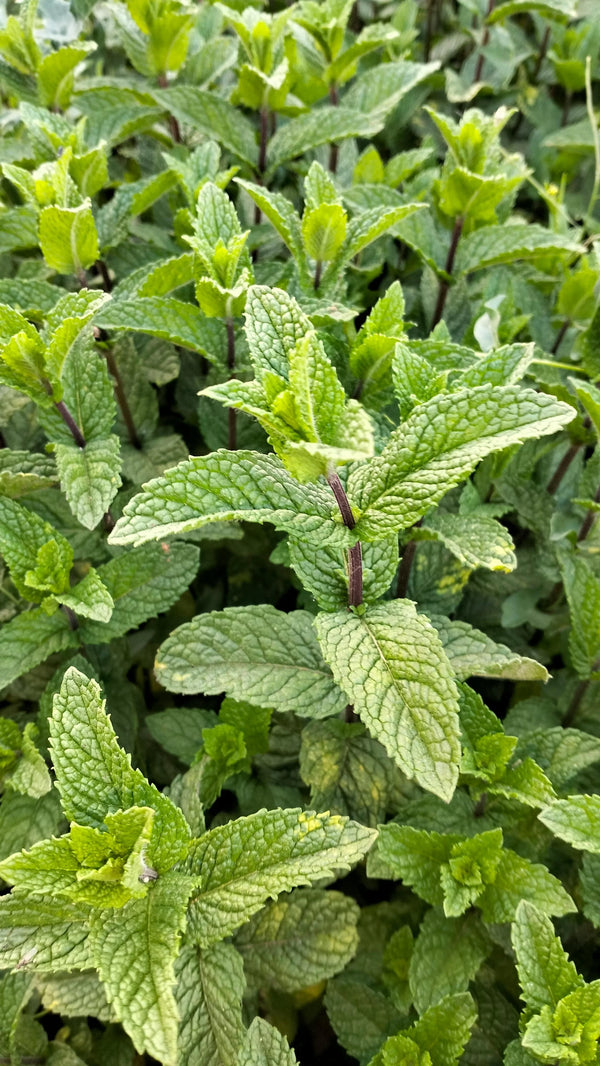
Mentha spicata
Spearmint Leaves
Spearmint has been used medicinally since ancient times, appearing in Greek and Roman pharmacopoeias. Its antiandrogenic properties have been studied for hormonal uses in modern research.
- Anti-inflammatory
- Antiandrogenic
- Carminative
- Nervine
- Cognitive-Supporting
- Supports a healthy inflammatory response throughout the body, including hormonal headaches and tension
- Supports healthy androgen balance during perimenopausal hormonal shifts that contribute to mood and skin changes
- Eases digestive discomfort that worsens during hormonal fluctuation
- Supports gentle mental clarity and helps ease brain fog
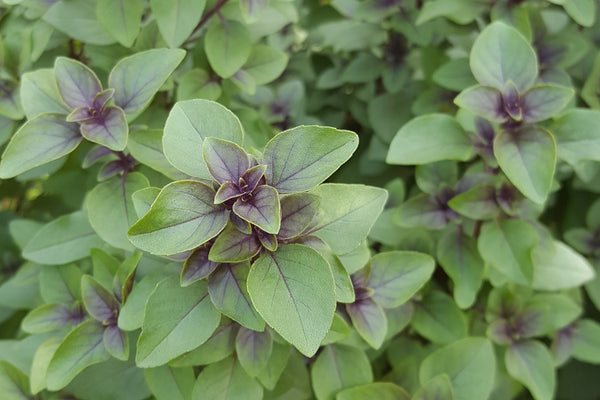
Ocimum sanctum / tenuiflorum
Tulsi / Holy Basil
Revered in Ayurvedic tradition for over 3,000 years as the Queen of Herbs. Holy basil holds a sacred place in Hindu practice and is one of the most widely studied adaptogens in the world.
- Adaptogen
- Relaxing Nervine
- Immunomodulator
- Neuroprotective
- Analgesic
- Antimicrobial
- Supports a healthy stress response so the body becomes more resilient to ordinary stress triggers
- Supports healthy cortisol balance, which plays a significant role in mood, motivation, and emotional resilience
- Supports healthy immune function that chronic stress consistently suppresses
- Supports healthy cerebral circulation to sustain memory, focus, and mental clarity under stress
- Supports a healthy inflammatory response throughout the body
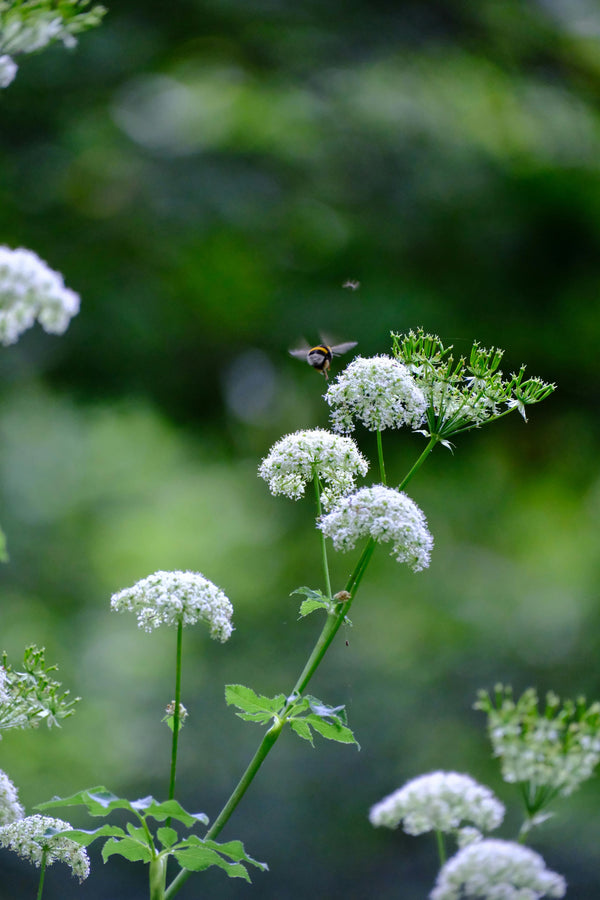
Valeriana officinalis
Valerian Root
Used medicinally in ancient Greece and Rome, valerian was one of the most commonly prescribed herbs in European medicine through the Middle Ages and Renaissance for its reliable sleep-supporting properties.
- Sedative
- Nervine
- Antispasmodic
- Hypnotic
- Anodyne
- Promotes a calm, relaxed state in body and mind at bedtime
- Eases physical tension and restlessness that disrupts sleep
- Supports nervous system relaxation at the end of the day
- Addresses both difficulty falling asleep and waking during the night
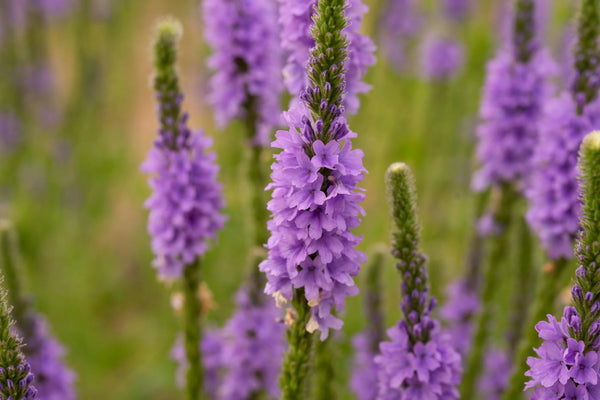
Verbena officinalis
Vervain / Blue Vervain Leaves
Sacred to both ancient Roman and Celtic traditions, vervain has been used as a nervine and liver herb for thousands of years. In the Western herbal tradition, it is a primary herb for those who drive themselves relentlessly.
- Relaxing Nervine
- Antispasmodic
- Bitter Tonic
- Liver Supportive
- Anti-inflammatory
- Circulatory Stimulant
- Promotes calm and clarity without dulling mental alertness
- Releases jaw, neck, and shoulder tension held from chronic stress
- Promotes healthy liver function and normal hormone metabolism
- Encourages a healthy inflammatory response in the body
- Promotes healthy circulation to tissues restricted by ongoing tension
Stachys betonica
Wood Betony
One of the most prized nervines of Anglo-Saxon and medieval European medicine. The herbalist Culpeper wrote extensively of its virtues for the head and nervous system in the 17th century.
- Nervine
- Digestive Tonic
- Anodyne
- Antispasmodic
- Bitter Tonic
- Calms overthinking and mental restlessness so you can be present
- Promotes healthy digestion and gut comfort during stressful periods
- Helps ease tension headaches and pressure from mental overload
- Helps the nervous system process and release mental tension rather than recirculate it
Ready to put these herbs to work?
Every herb in this library is part of a formula designed to support a specific need. Shop the full collection or take the quiz for a personalized recommendation.